Skip to content
  • Free delivery* and returns
  • Packed with care, delivered within 1-3 working days
  • 30 days consideration period
  1. Home
  2. Blog

Our blog

On this blog page you can read inspiring and recognizable stories of moms and dads (to be) and experts about their special profession. In addition, you can read the fun blogs about our newest items, checklist and tips.

First Easter with your little one? Tips for a cozy Easter brunch or picnic!

First Easter with your little one? Tips for a cozy Easter brunch or picnic!

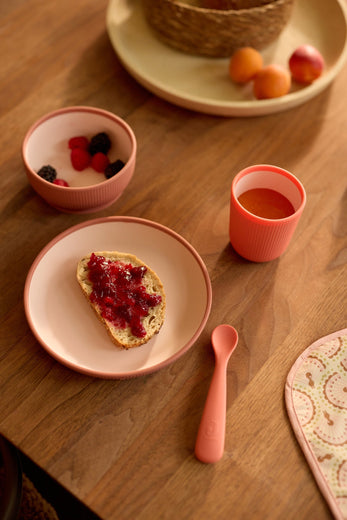
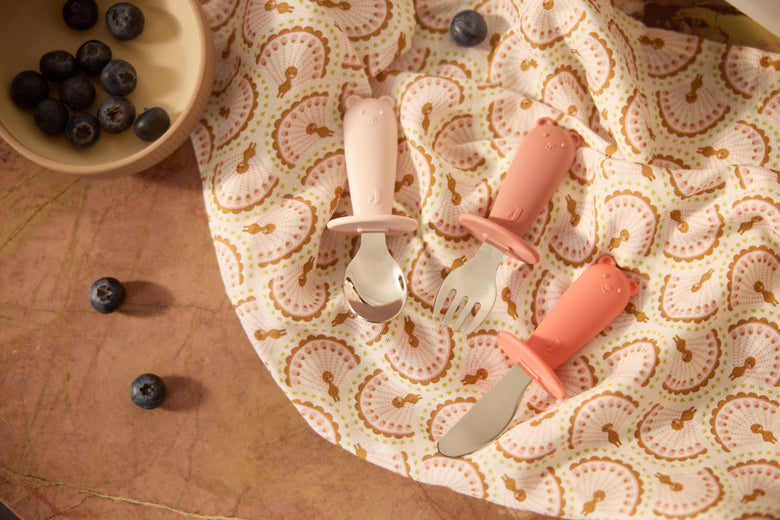
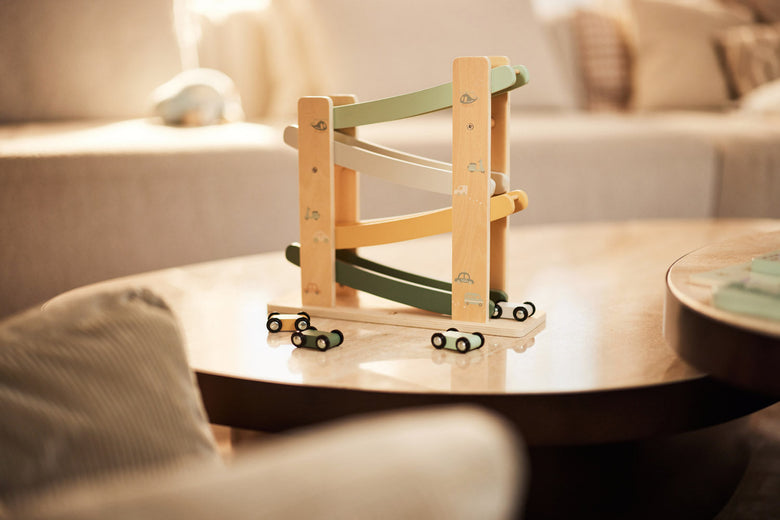
Is this the very first Easter with your little one? What a milestone! At Jollein, we love celebrating all 'firsts' with you. Easter is the perfect moment to create new memories, whether you’re sitting down for a big family meal or choosing a cozy picnic in the sunshine. We’re sharing some practical tips to make this first Easter brunch a total success. The Easter Table An Easter table full of treats and a baby or toddler: sounds like a challenge, but it doesn’t have to be! With the right preparation, you can keep it cozy (and the table somewhat clean). Muslin cloths as decoration Our XL muslin cloths are perfect as a cheerful table runner in the middle of the table. You can also loosely tie them as extra-large, soft napkins. It instantly gives that fresh spring look, and you’ll always have a cloth nearby for unexpected spills. Silicone baby tableware Leave the breakable plates in the cupboard. Our silicone tableware is indestructible, dishwasher safe, and features handy suction cups. That way, the Easter egg won’t go flying across the room! Bibs with sleeves An Easter breakfast isn’t complete without a few stains. Our bibs with sleeves protect that adorable Easter outfit, so your little one can explore and taste without a worry. Picnicking with your little one Enjoying the first rays of sunshine! When the sun is out, there’s nothing better than heading outdoors. A picnic is the ideal informal way to celebrate Easter with a baby or toddler. Comfortable on the grass Bring a thick playpen mat or a soft knitted blanket. This creates the perfect base for your baby to lie on or play while you enjoy your sandwich. Handy suitcases Pack one of our cute little suitcases with some snacks, a sippy cup, and a muslin. Your child will love having their very own 'Easter basket' full of surprises. Entertainment Don’t forget to bring some wooden toys. They are durable, can handle the outdoor elements, and will keep your little one happily busy. Whether you choose an extensive brunch at the table or a relaxed picnic on a blanket: make it a magical 'first'. Happy Easter!
Daylight Saving Time and Your Child’s Routine: How to Handle It

Daylight Saving Time and Your Child’s Routine: How to Handle It

This weekend, daylight saving time begins. Because the clock moves forward by one hour, it will be 7:00 a.m. on Sunday, while in the old time it would still be 6:00 a.m. Do you follow a fixed daily routine? Then I recommend starting your day right away at 7:00 a.m. (new time) and continuing your usual routine. By waking your child “earlier” and maintaining their usual awake time, your child will be tired enough to take their naps at the new time—even though in the old time this is an hour earlier than usual. Make sure your child is in bed at their normal bedtime (new time) and, to be safe, offer a slightly longer bedtime routine to end the day calmly and make the transition to sleep easier. Would you like to approach daylight saving time proactively? Then start adjusting your schedule this Thursday by moving everything 15 minutes earlier. Thursday, start your morning at 6:45 a.m. instead of 7:00 a.m. The first nap at 9:00 a.m. instead of 9:15 a.m., and so on. On Friday, shift everything another 15 minutes earlier and begin at 6:30 a.m. On Saturday at 6:15 a.m., and on Sunday at 7:00 a.m. (new time). Because of daylight saving time, it stays light longer in the evening. For melatonin production (the sleep hormone), it is very important that your child’s bedroom is completely dark. Even the smallest amount of light can signal to your child’s brain that it is not yet time to sleep, or that it is already time to wake up when the sun rises. Make sure the bedroom is fully dark. Don’t yet have a fixed daily routine for your child but want one? The start of daylight saving time is a good moment to teach your child in the morning not to get out of bed immediately when they wake up. The time shift actually works in your favor during the first week, allowing you to teach your child to wait in bed until 7:00 a.m. Need more tips or support? Visit www.projectslaap.nl (Dutch only).
The Importance of a Soft Snuggle Bedtime Routine

The Importance of a Soft Snuggle Bedtime Routine

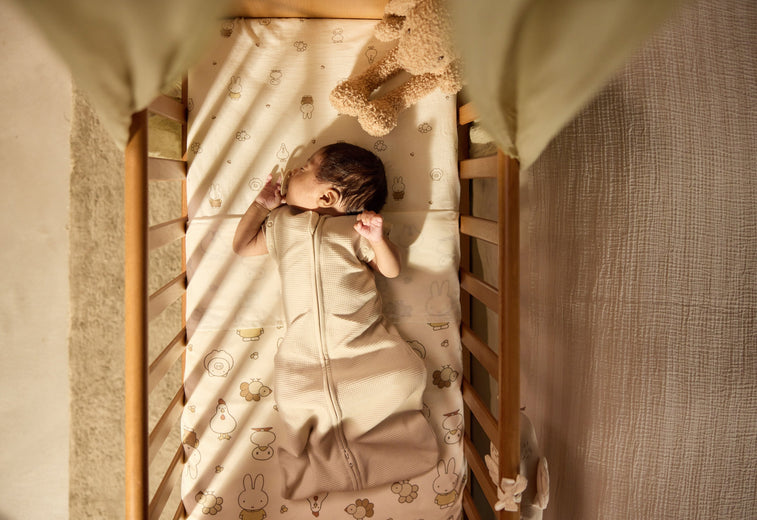
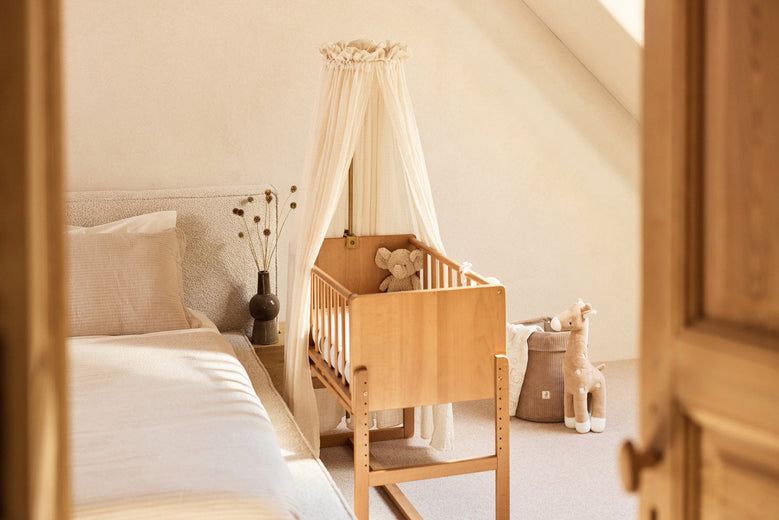
The day is over. Toys are tidied up, the lights are dimmed slightly, and it’s time to slowly wind down. For the little ones, this is the perfect moment to relax and feel safe. At Jollein, we call this a soft snuggle bedtime routine: a cozy ritual full of softness, warmth, and security. Bedtime can be enjoyable, but sometimes it’s challenging. Especially if your child is a difficult sleeper, it may take some time before they calm down. That’s why a gentle routine is so valuable: it provides structure, reassurance, and small moments to end the day together. Why a Soft Snuggle Bedtime Routine HelpsChildren feel most comfortable when they know what’s coming. A fixed routine signals: now it’s time to relax. The body gradually switches to rest mode, and your child learns that sleep can be a safe and familiar moment. A soft snuggle bedtime routine: helps release the day’s stimuli makes falling asleep easier, even for tricky sleepers provides a familiar and safe feeling creates valuable moments together, even when it’s a bit challenging How to Create a Soft Snuggle MomentSoft materials, calming sounds, and gentle lighting give the crib a cozy, safe atmosphere. With Jollein products, bedtime becomes easier and even cozier. Gentle wind-downDim the lights at home, put away stimulating toys, and take a deep breath. A canopy or mosquito net above the crib makes the space a little darker and feels like a cozy tent where your little one can feel safe. Fresh startAfter bathing or changing, it’s time for a soft sleeping bag. It keeps your child warm, wraps them snugly, and gives a safe feeling. Extra cozy and warmTuck your little one under a soft sheet and blanket. This makes the crib feel even cozier and warmer. Soothing soundsA gentle tune from a musical hanger helps your child relax. The soft sound quickly becomes a recognizable bedtime signal and can provide extra calm for a difficult sleeper. Extra tip: play the music occasionally during pregnancy, so your child can start recognizing it early. Cuddle momentA little hug, a kind word, or a short story. This is the ultimate moment of connection, even if it takes a while before your child is truly calm. Repetition is KeyBy following these steps every evening, a familiar ritual forms. Your child knows: now it’s time to let go and relax. With soft fabrics, a warm sleeping bag, blanket, and gentle music, bedtime becomes much more pleasant—even on challenging days. A Gentle End to the DayA soft snuggle bedtime routine isn’t about perfection, but attention. About small, cozy moments that make a big difference together. Sometimes it’s easy, sometimes not. With the right products, you give your child exactly what they need: calm, warmth, and security, and for parents a little extra support to turn bedtime into a loving ritual. Sleep well, little dreamer 🌙💛
The Jollein Sleep Guide | TOG value & safe sleep for your baby

The Jollein Sleep Guide | TOG value & safe sleep for your baby

The Jollein Sleep Guide | TOG value & safe sleep for your baby A good night’s sleep is just as important for your baby as it is for you. But how do you make sure your little one stays warm without overheating? And what do all those TOG values actually mean?In this sleep guide, we explain how to let your baby sleep safely and comfortably. What is TOG? TOG stands for Thermal Overall Grade and indicates how warm a sleep product is. Think of sleeping bags, blankets and footmuffs. The higher the TOG value, the more heat the product retains. TOG helps you make a conscious choice for what your baby needs during sleep, based on the room temperature and the season. It’s important not to simply add TOG values together. The layer of air between clothing and bedding creates extra warmth, which means the calculation may no longer be accurate. The ideal temperature in the baby’s room The recommended temperature for a baby’s room is between 16 and 20°C. Within this range, you can use TOG values and clothing layers to fine-tune what your baby needs. Not sure? Always feel your baby’s neck or back. This is the best way to tell whether your baby feels too warm or too cold. Which TOG value suits which temperature? Use the table below as a guideline, but always keep an eye on your baby and their comfort. 🧡Tip: slightly cooler is better than too warm. Overheating can lead to restless sleep.   Why a sleeping bag is a safe choice A sleeping bag is one of the safest ways to keep your baby warm while sleeping. Unlike loose blankets, a sleeping bag cannot cover your baby’s head and keeps them comfortably wrapped all night long. At Jollein, you’ll find sleeping bags for every season and age: Summer sleeping bags (TOG 0.5) Sleeping bags with removable sleeves for spring and autumn  4-season sleeping bags that can be adjusted all year round Newborn sleeping bags for extra comfort during the first weeks – [add hyperlink to Newborn Cocoons collection] This way, you create a safe and familiar sleeping environment every night. Making the baby bed safely A good night’s sleep starts with a safely made bed. Keep it calm and clutter-free: Use a firm mattress with a well-fitting fitted sheet Avoid loose items such as pillows and soft toys Prefer a sleeping bag over loose blankets Do you still want to use a sheet or blanket? Tuck it in tightly under the mattress so your baby cannot slide underneath. Material also matters: Thicker, padded blankets are suitable for cooler rooms Thin (muslin) blankets are more comfortable at higher temperatures And most importantly: trust your instincts. Feeling your baby’s neck and observing their behaviour will tell you a lot.
How do I dress my little one for bed in winter?

How do I dress my little one for bed in winter?

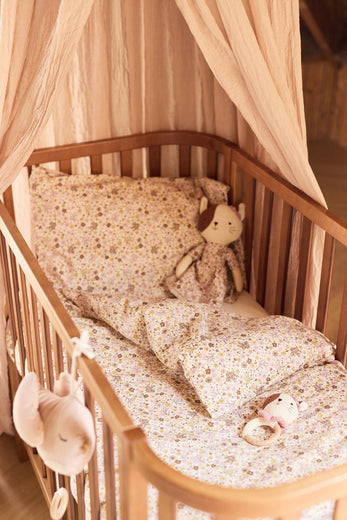
It’s freezing outside, the heating goes up a notch and all you want to do is crawl under a thick duvet yourself. But how do you make sure your little one stays nice and warm at night, without overheating? Every season it’s a bit of a puzzle with layers. No worries! We’re happy to help you with a few practical tips, so you can both enjoy a good night’s sleep. Dreaming big since 1973 At Jollein, we’ve been working on the perfect sleeping bag since the 1970s. It all started with a simple idea: babies sleep more peacefully (and safely!) in a sleeping bag. Many years later, we’ve used that expertise to develop the perfect sleeping bags that do exactly what they’re meant to do: provide comfort. We know which fabrics feel soft on delicate baby skin and which thickness you need at what time. Whether you choose a sleeping bag or a traditionally made-up crib: we’ve got you. The TOG value: your new best friend You’ve probably seen the term before: TOG value. It may sound technical, but it’s simply a guide to how warm a sleeping bag or blanket is. In winter, we usually aim for a total of 2.5 to 3.0 TOG. How you build that up depends on the room temperature: Colder than 18°C? Choose a winter sleeping bag with sleeves, combined with pyjamas and a bodysuit, or use a sheet with a warm blanket. Around 20°C? A winter sleeping bag with just a bodysuit, or a sheet with a single blanket, is often enough. Our tip: Not sure? Feel your baby’s neck. Does it feel comfortable? Then you’re good. Does it feel clammy or sweaty? Time to remove a layer. Cold hands are common in winter and usually nothing to worry about. Sleeping bag or made-up crib? Every baby (and every parent) is different. Some swear by a sleeping bag, while others prefer a snugly made-up crib with a sheet and blanket. The sleeping bag | Ideal for active babies who ‘walk’ through the crib in their sleep. Our winter sleeping bags often have detachable sleeves – super handy when temperatures suddenly rise. Sheets and blankets | A sheet gives a cosy, secure feeling, especially when the crib is tucked in tightly. In winter, add a beautiful knitted blanket on top for extra warmth. Mix, match and unzip Let’s be honest: looks matter too. Whether you go for a complete look or love to mix things up, our prints are made to combine. From dreamy Flower Fairies and cute Animal Friends to calm Leafy Dreams or cheerful Tiny Park. A subtle printed sheet peeking out from under a plain blanket? There’s always something that fits perfectly in your nursery. Safety above all The most important thing is that your little one sleeps safely. Using a sheet and blanket? Always make the bed ‘short’: your baby’s feet near the foot of the crib, so they can’t slip under the covers. Using a sleeping bag? Make sure it’s the right size so the neckline fits snugly. Quick check: Choose your style: the ease of a sleeping bag or the snug feel of a blanket? The right size: the neckline shouldn’t be too wide. Build layers: combine a thin bodysuit with a sleeping bag, rather than one very thick item. Trust your instinct: you know your baby best. If they sleep well, you’re doing great. Have questions about which combination works best in your nursery? We’re happy to help. For all the first nights – and many more to come: sleep well! Love,Jollein
Babies and Daytime Naps: Judith from Project Sleep shares her advice!

Babies and Daytime Naps: Judith from Project Sleep shares her advice!

What about your baby's naps during the day? Daytime and nighttime sleep are closely connected. A restless night is often the result of a day with little quality sleep. When your baby is around 3 to 4 months old, it can be very helpful to work towards a routine that includes three naps per day: the morning nap, the afternoon nap, and the third nap. The afternoon nap is the most important nap of the day, but the other naps are important too, as they each serve their own purpose. The Morning Nap The morning nap, especially when your baby is around 6 to 7 months old, is best seen as a power nap to get through the morning and lunchtime with enough energy. Especially if your baby has had a good night’s sleep, they don't need much sleep in the morning. A longer morning nap can even negatively affect the afternoon nap. Babies are often still a bit tired from the night at the time of the morning nap (just like we tend to yawn in the morning). This is why it is usually the first nap that fits into the routine. This is great because it gives you time to take a shower in the morning or enjoy a nice cup of coffee or tea. For young babies, this nap usually lasts around 90 minutes, but by the time your baby is 6 months old, they often only need 45 minutes (assuming they’ve had a good night’s sleep). Overall, I am a big advocate for a short morning nap because it allows your baby to build up a "sleep debt" which can be caught up during the afternoon nap – the most important nap of the day. But a short morning nap has other benefits as well: If your baby is older than six months, a longer morning nap may cause them to wake up early. This longer nap is seen as an extension of the night, preventing your baby from sleeping longer during the night. Offering a short morning nap ensures that the afternoon nap falls within the biological sleep window (when melatonin levels are high and cortisol levels are low). Around 15 to 18 months, your baby will be ready to switch to just one nap a day: the afternoon nap. It is much easier to let go of this short nap than to try and gradually move it to the afternoon, which could lead to a much too long period of wakefulness at the end of the day. If necessary, you can easily let this nap happen “on the go” without disrupting your rhythm. The Afternoon Nap The afternoon nap is the most important nap of the day – both for your baby and for you ;-). On average, children need this nap until they are around 2.5 to 3 years old. Therefore, it is important to start early in creating a good foundation for this nap. Offering the afternoon nap during the biological sleep window (depending on your baby’s age, this nap typically starts between 12:00 and 1:00 PM) ensures that it is a high-quality nap that helps promote a good night's sleep. Did you know that a good afternoon nap contributes to the development of both short- and long-term memory, the recovery of the immune system, the growth and appetite of your baby, and the regulation of emotions? Since this is the most important nap of the day, I always recommend (if possible) having it take place in bed. For the morning nap and the third nap, you can be more flexible. Looking for a cozy sleeping bag for your little one? Look no further and shop them here! The Third Nap The third nap is the nap that most babies need until they are between 6 and 8 months old. This nap helps your baby start the evening routine (dinner and bedtime) well-rested and prevents them from starting the night overtired. Difficulty falling asleep, restless evenings and nights, and waking up early are typical signs of overtiredness due to insufficient sleep during the day. The third nap ensures your baby begins the night well-rested (provided the other naps are also well-established). However, be careful: offering this third nap for too long can cause the mentioned problems. Keep this nap short, up to 20 minutes, between 6 and 8 months.